Saturday, February 23, 2013

Anas discors


Blue-winged Teal
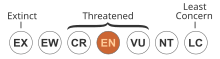
IUCN Listing: Least concerned - decreasing population
Winter Habitat: Tropical wetlands, mangrove swamps, brackish ponds, lagoons as well as other types of wetlands. Far more diverse than the breeding habitat
Food: Seeds and aquatic vegetation in the winter and a mainly invertebrate based diet during the breeding season, consisting of clams, crustaceans and snails
Foraging Technique: Dabbling
Breeding Habitat: Drier grassland areas as long as there is a wetland present
Nesting Preference: Covered with grass and approximately a foot above water level
Average Clutch Size: 10-11 eggs
First age of Breeding:  Most females attempt to nest at one year. 

Literature cited:
Ducks, Geese and Swans of the World

Nettapus auritus


African Pygmy Goose 
IUCN Listing: Least concern- decreasing population
Winter Habitat: They do not have much of a migration pattern, sometimes they will follow the patterns of the rainfall, but for the most part they remain near slow flowing rivers, shallow bays in lakes, marshes and swamps where aquatic plants are plentiful.
Food: Its distribution is attributed to the distribution of water lilies; although they will consume other aquatic plants, a large majority of their diet is primarily water lilies.
Foraging Technique: Dabbling, but these geese are able to dive to avoid predators of to forage quite well.
Breeding Habitat: Refer to wintering habitat as well as food. 
Nesting Preference: Cliff holes or cavities in trees
Average Clutch Size: 6-12 eggs
First age of Breeding:  2 years

Literature cited:
Ducks, Geese and Swans of the World

Tadorna ferruginea


Ruddy Shelduck:

IUCN Listing: Least concern - unknown population trend
Winter HabitatThis bird persist in Russia with a variety of habitats but mainly it consists of brackish or salty wetland habitats; however, the preferred habitat is open country, in lower elevations than in the breeding season
Food: Mainly vegetarian diet consisting of grains
Foraging Technique: Forage nocturnally by grazing
Breeding Habitat:  Head high on the mountains of over 4000 meters 
Nesting Preference: Holes in sandy banks or in clay
Average Clutch Size: 8-12 eggs
First age of Breeding:  2 years

Literature cited:
Ducks, Geese and Swans of the World

Nomonyx dominica


Masked Duck
IUCN Listing: Least concern - decreasing population

Winter Habitat: Wetlands which possess thick vegetation and rice fields
Food: Plant seeds and leaves 
Foraging Technique: Diving in shallow waters
Breeding Habitat: Breed in accordance to the water in the rice fields rising. 
Nesting Preference: Creates a deep cup in vegetation with a lot of cover and near the water 
Average Clutch Size: 4-8 eggs. Estimating the clutch size is difficult, however, because Ruddy Ducks tend to dump their eggs into the Masked Ducks nest, so this is only a rough estimate.
First age of Breeding:

Literature cited:
Ducks, Geese and Swans of the World

Blue Duck


Blue Duck
IUCN Listing - Endangered - decreasing population
Once they expanded in New Zealand, however, now they are confined to only some mountains in New Zealand with streams that provide a plethora variety of invertebrates for the surviving Blue Duck populations. They are capable of diving for their invertebrate prey and will sometimes use the boulders in the streams as levers to dive deeper. Usually the duck stays on the breeding grounds unless there is no longer a sufficient amount of food left, remaining near to rivers
Winter Habitat: Rivers in the mountains of New Zealand
Food: Aquatic invertebrates
Foraging Technique: They are capable of diving for their invertebrate prey and will sometimes use the boulders in the streams as levers to dive deeper.
Breeding Habitat: Once they expanded in New Zealand, however, now they are confined to only some mountains in New Zealand with streams that provide a plethora variety of invertebrates for the surviving Blue Duck populations.  Usually the duck stays on the breeding grounds unless there is no longer a sufficient amount of food left, remaining near to rivers
Nesting Preference: Hallow logs and small caves
Average Clutch Size: 5 eges
First age of Breeding:  5 months old, they are already performing pair formations

Literature cited:
Ducks, Geese and Swans of the World

Cygnus buccinator


Trumpeter Swan:

IUCN Listing: Least concern - increasing population
Winter Habitat: Near lakes, streams and rivers further south than their breeding range. 
Food: Leaves and stems of aquatic plants and some aquatic invertebrates
Foraging Technique: Dabbling
Breeding Habitat: Near freshwater ponds, marshes and lakes
Nesting Preference: Will use old mammal mounds in order to place their nests in deep open cups. Uses vegetation to surround it and will nest in close elevation with water. 
Average Clutch Size: 1-9 eggs
First age of Breeding:  2 years and create a pair for life. However, they do not mate until 3 year old


Literature cited:
Ducks, Geese and Swans of the World

Branta sandvicensis


Nene:

IUCN Listing: Vulnerable - increasing population
A highly endangered waterfowl based on the Hawaiian Islands. Their naïve attitude plays a role in their demise. 
Winter Habitat: Grasslands
Food: Herbs, berries, grass
Foraging Technique: Grazing
Breeding Habitat: During the breeding season, they tend to be among the lowlands as well as in mountains as tall as 9000 feet many places where lava still flows.
Nesting Preference: Ground nesting with down
Average Clutch Size: 2-3 eggs
First age of Breeding:  2 years but some females have been known to breed as yearlings

Literature cited: